Important Notice The content on this website is for craft and hobby purposes only. Results may vary based on individual skill, materials, and conditions. We do not guarantee specific outcomes from following our guides.

Start here

Shape Wild Grapevines Into Lasting Wreath Bases

Most beginners grab the vine and pull. It cracks. They try again. It splits. The frustration builds until the craft gets abandoned in a corner. We teach a different approach. Soak first. Bend slowly. Let the vine guide your hands. The result is a sturdy, organic base ready for any season.

Start crafting
The craft

Why Grapevine

Grapevines grow wild across rural Australia. Left unchecked, they strangle fences and smother trees. Harvested with care, they become the most forgiving natural material a maker can work with. Flexible when wet. Strong when dry. Biodegradable from start to finish.
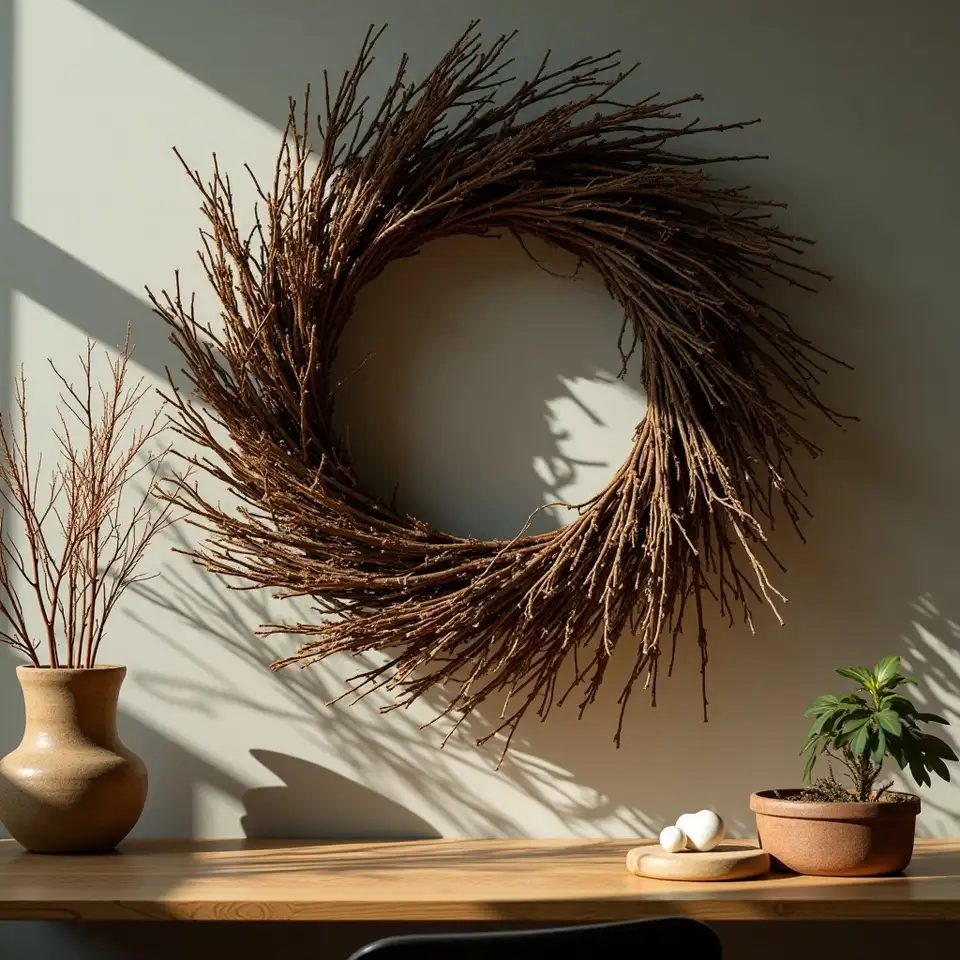
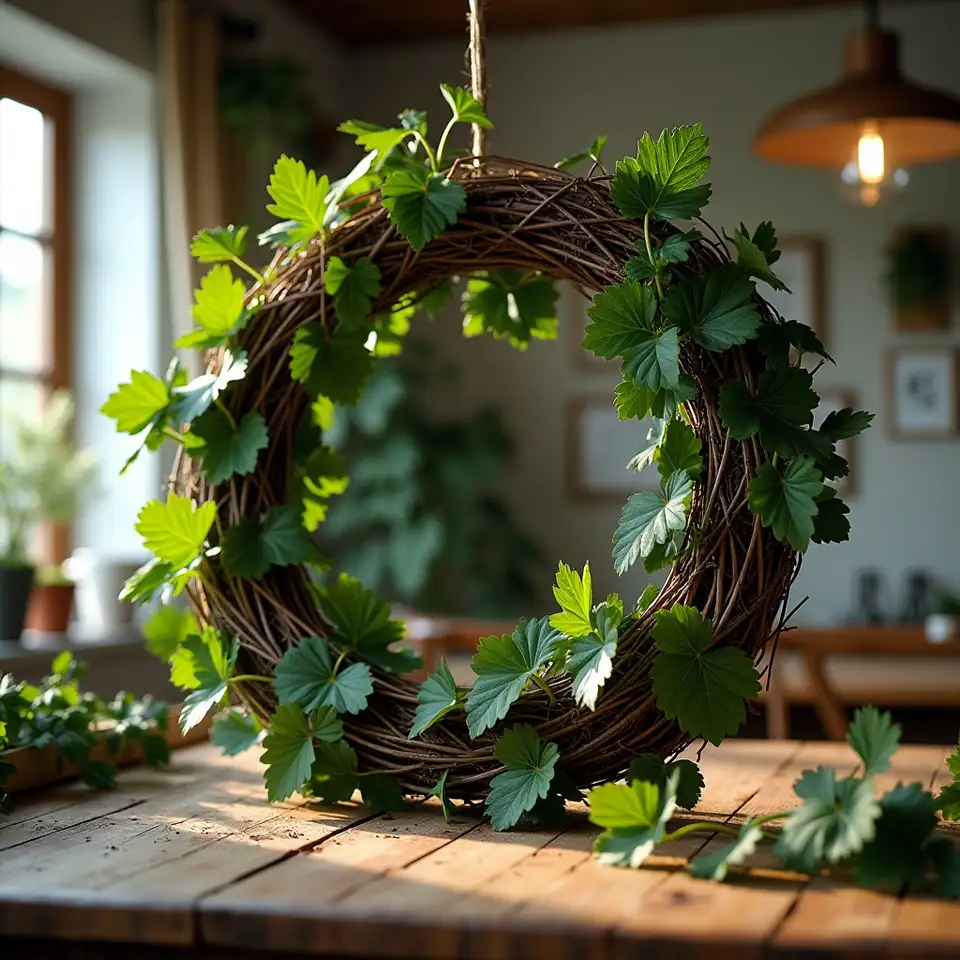
Natural grapevine wreath base showing organic texture

The vine decides

Every grapevine has a personality. Some bend in tight coils. Others prefer sweeping arcs. Our method teaches you to read the vine before you shape it. This partnership between maker and material is what separates a fragile decoration from a wreath that lasts for years.

What Makes Grapevine Wreath Forming Special

Four qualities set this craft apart from synthetic alternatives and other natural materials. Once you understand them, the choice becomes obvious.

Truly Natural Material

No wire frames. No plastic cores. No synthetic binding. Just harvested vine, water, and hand tension. The finished base is compostable, renewable, and carries the irregular beauty of something grown rather than manufactured.

Seasonally Adaptable

The same grapevine base carries spring blossoms, summer lavender, autumn leaves, or winter evergreen. Strip it bare and rebuild for the next season. One well-made base can serve a lifetime of decorating changes.

Beginner Friendly Process

You need shears, a bucket of water, and patience. No expensive tools. No specialized studio. The technique rewards attention to detail more than natural talent. First attempts may be uneven. The fifth attempt holds its shape. The twentieth looks intentional.

Regionally Available

Wild grapevines grow along fences, riverbanks, and neglected boundaries across temperate Australia. With proper identification and ethical harvesting, makers can source material locally without shipping costs or supply chain dependence.

From Harvest to Finished Base

The grapevine does not arrive ready to weave. It must be found, cut, prepared, and coaxed into shape. Each stage demands specific timing and technique. Skip a step and the wreath weakens. Follow the sequence and the base holds for years. Our five-stage method has been refined through seasons of trial and adjustment.
Step by step grapevine wreath making process

Ethical Harvest

Proper Storage

Controlled Soaking

Coil and Weave

Dry and Season

Wreath Inspiration

Seasonal styles built on hand-woven grapevine bases by makers in our community.

Maker Stories

Hobbyists who started with tangled vines and finished with pieces they are proud to display or share.

"I killed three batches of vines before I found this resource. The soaking guide changed everything. Now I harvest from my own fence line and gift wreaths to neighbors every Christmas. The craft became my winter ritual."

Helen Marsh
Home Crafter, Tasmania

"As a florist, I needed bases that could handle heavy dried arrangements without collapsing. The tension technique here produced sturdier forms than anything I was buying wholesale. My clients notice the difference."

Raj Patel
Floral Designer, Melbourne

"I was skeptical that wild vines could look this refined. The first base I made was lumpy and loose. By the fourth, the coils were even and the shape held without glue. The progression is real if you follow the steps."

Yuki Tanaka
Weekend Maker, Adelaide

Essential Tips for New Wreath Makers

Common mistakes waste material and kill enthusiasm. These fundamentals prevent the problems that make beginners quit before they develop skill.

Not every climbing vine is grape. Learn to distinguish wild grapevine from poisonous lookalikes by leaf shape, bark texture, and tendril structure. Proper identification protects your health and ensures workable material.

Winter is the season for cutting. Dormant vines contain less sap, bend more easily, and store better than summer growth. Harvesting at the wrong time produces brittle material that cracks under tension.

Dry vine fights every twist. Properly soaked vine cooperates. The difference between a cracked coil and a smooth curve is often thirty minutes in clean water. Never skip this step, even if the vine looks flexible.

Grapevine holds shape through interlocking tension, not force. If you are straining, you are doing it wrong. Relax your grip, slow your pace, and allow the natural spring of the vine to lock each coil into place.

Rushing the drying phase causes warping and weakness. Place finished bases in a well-ventilated area away from direct heat. A slow, even dry preserves the tension you built and prevents the shape from distorting.

Begin Today

Your First Grapevine Wreath Base Starts With One Vine

The craft is not complicated. It is deliberate. Every maker in our community began with a single confused coil and a bucket of water. The difference between those who quit and those who mastered it was simply access to the right sequence. We have documented that sequence. It is waiting for you.

Step-by-step harvesting and preparation guides
Technique tutorials for coil tension and shape control
Seasonal decorating ideas for every base you build
Community support from experienced makers